Raising Children Between Two Worlds
On keeping culture alive in a country that doesn't share it, and the beautiful, complicated thing that happens in the middle
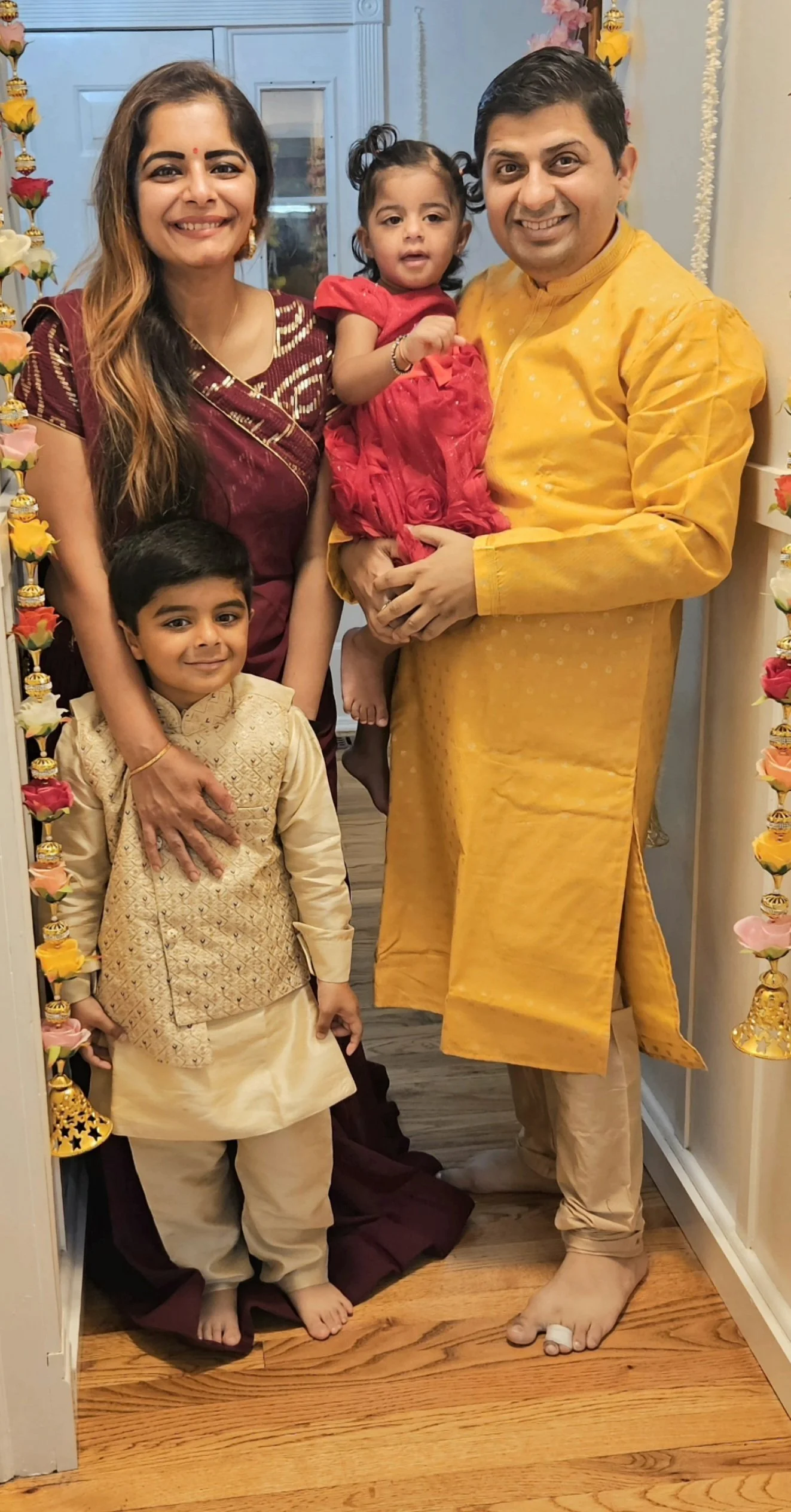
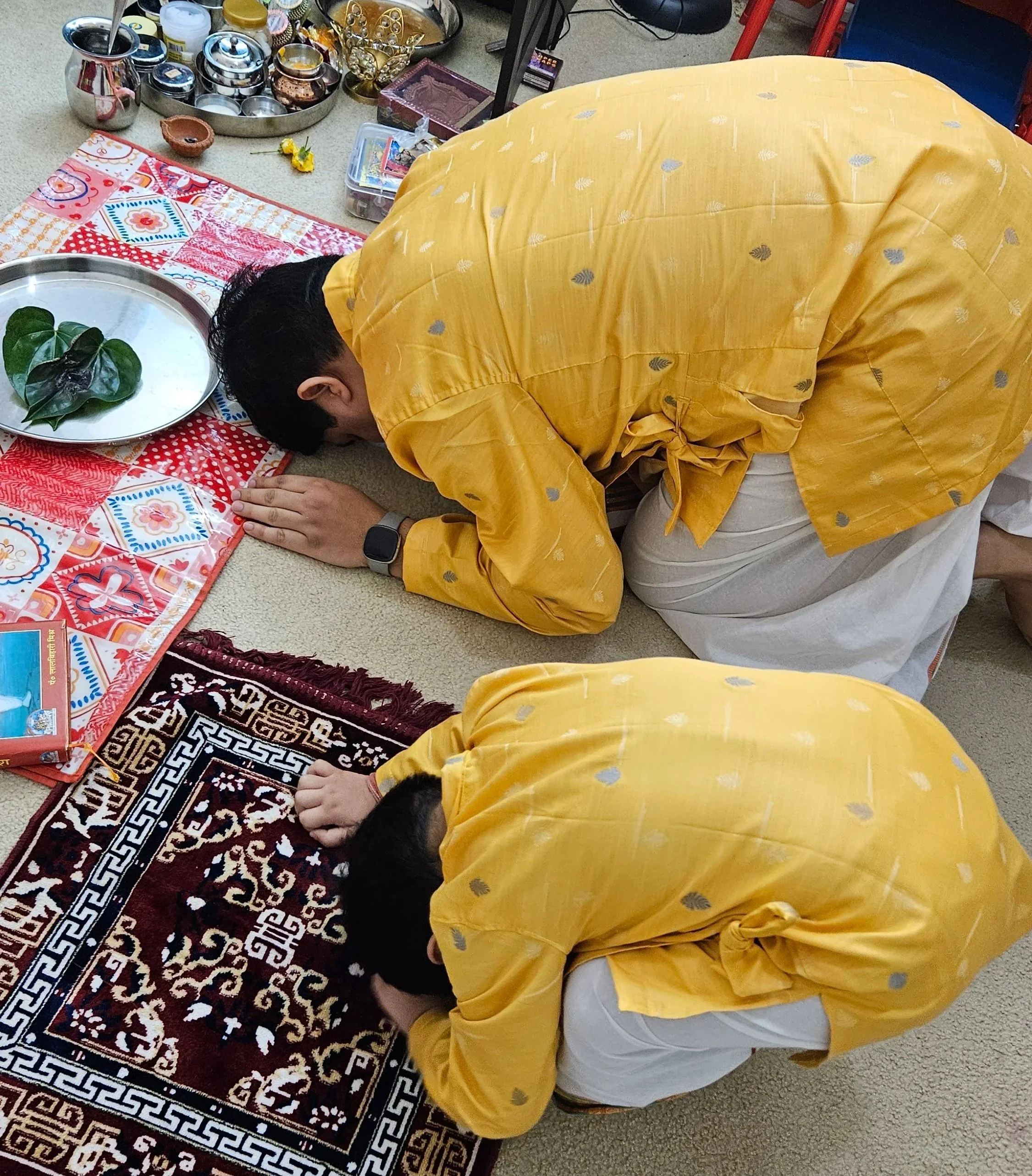
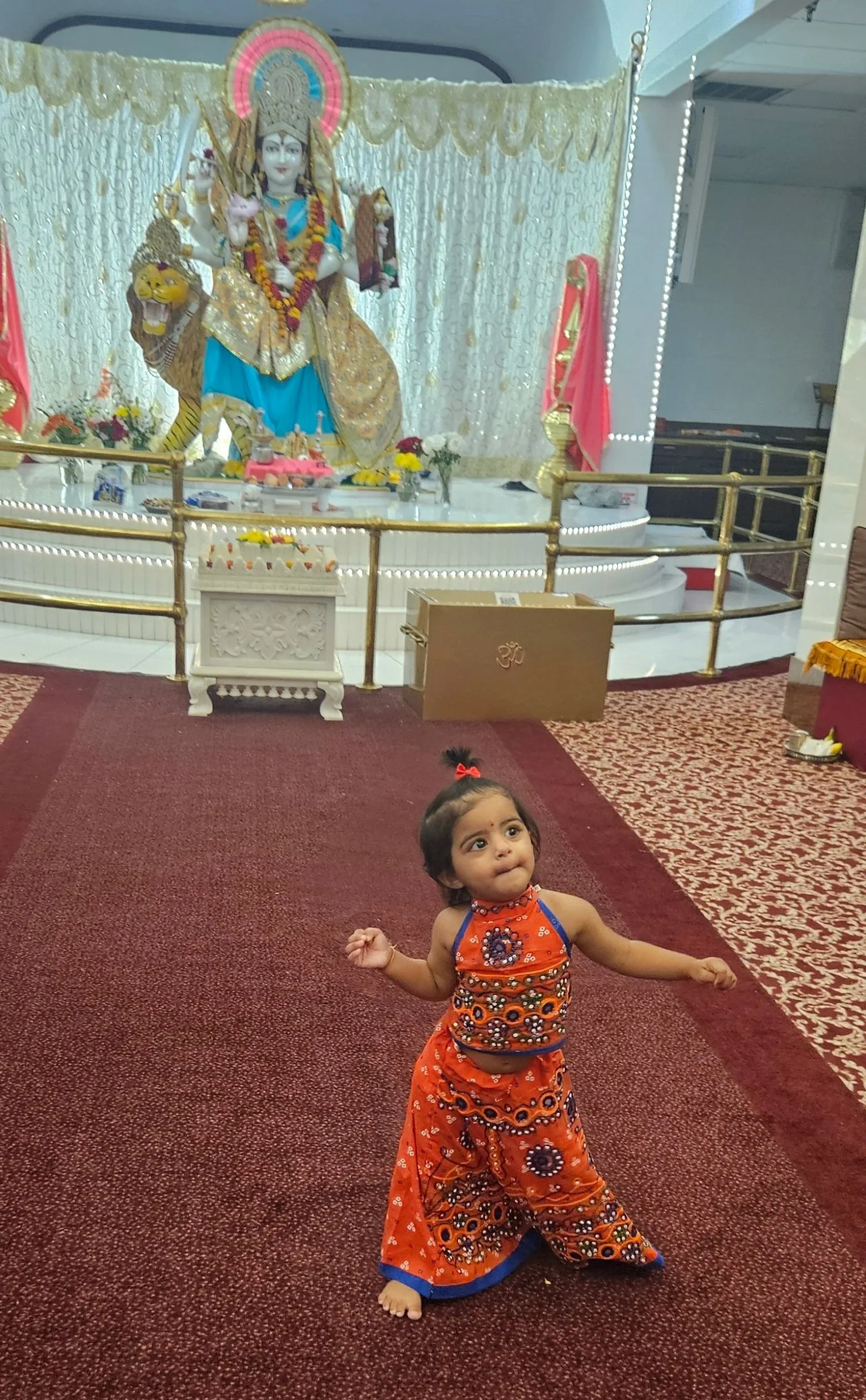
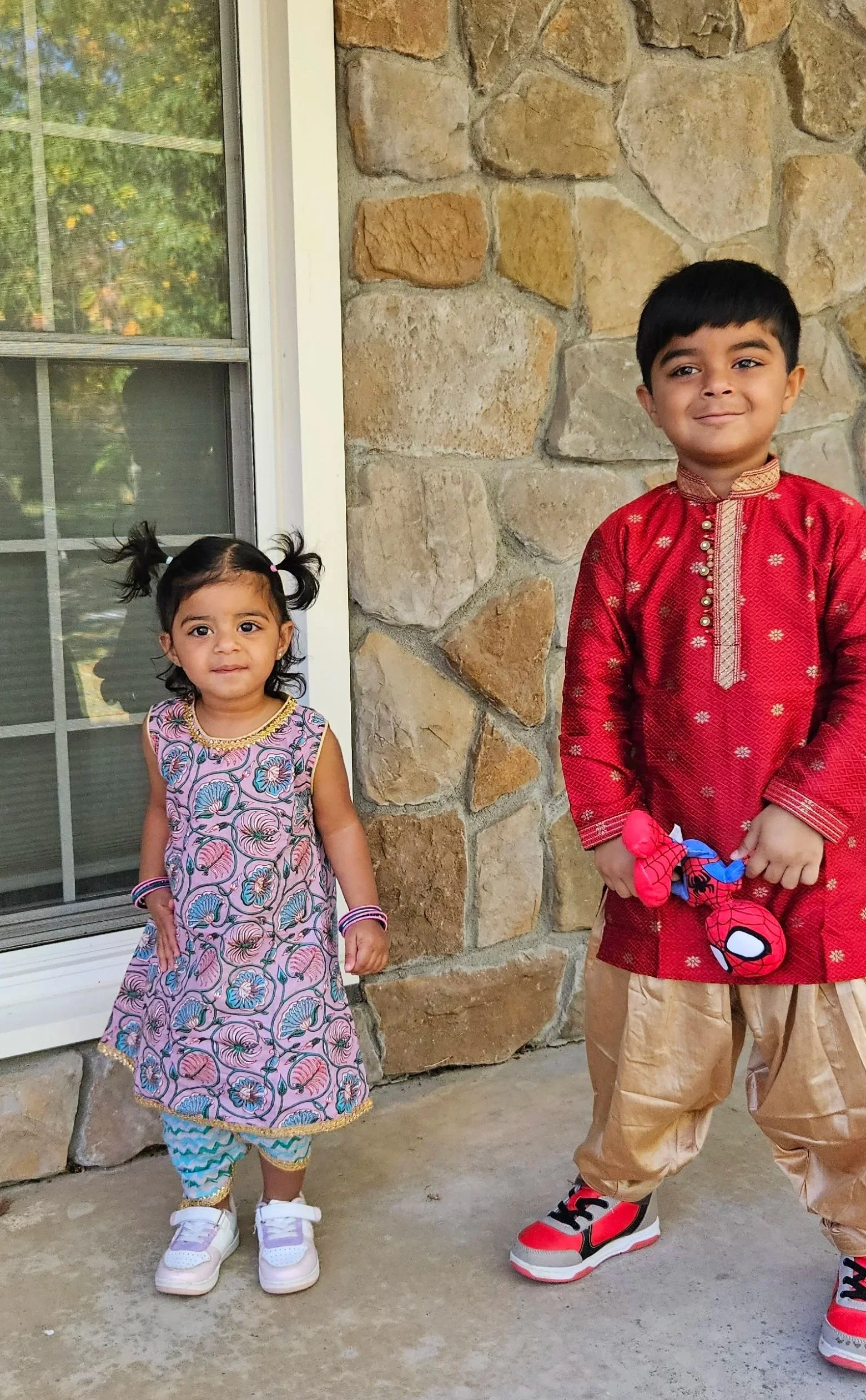
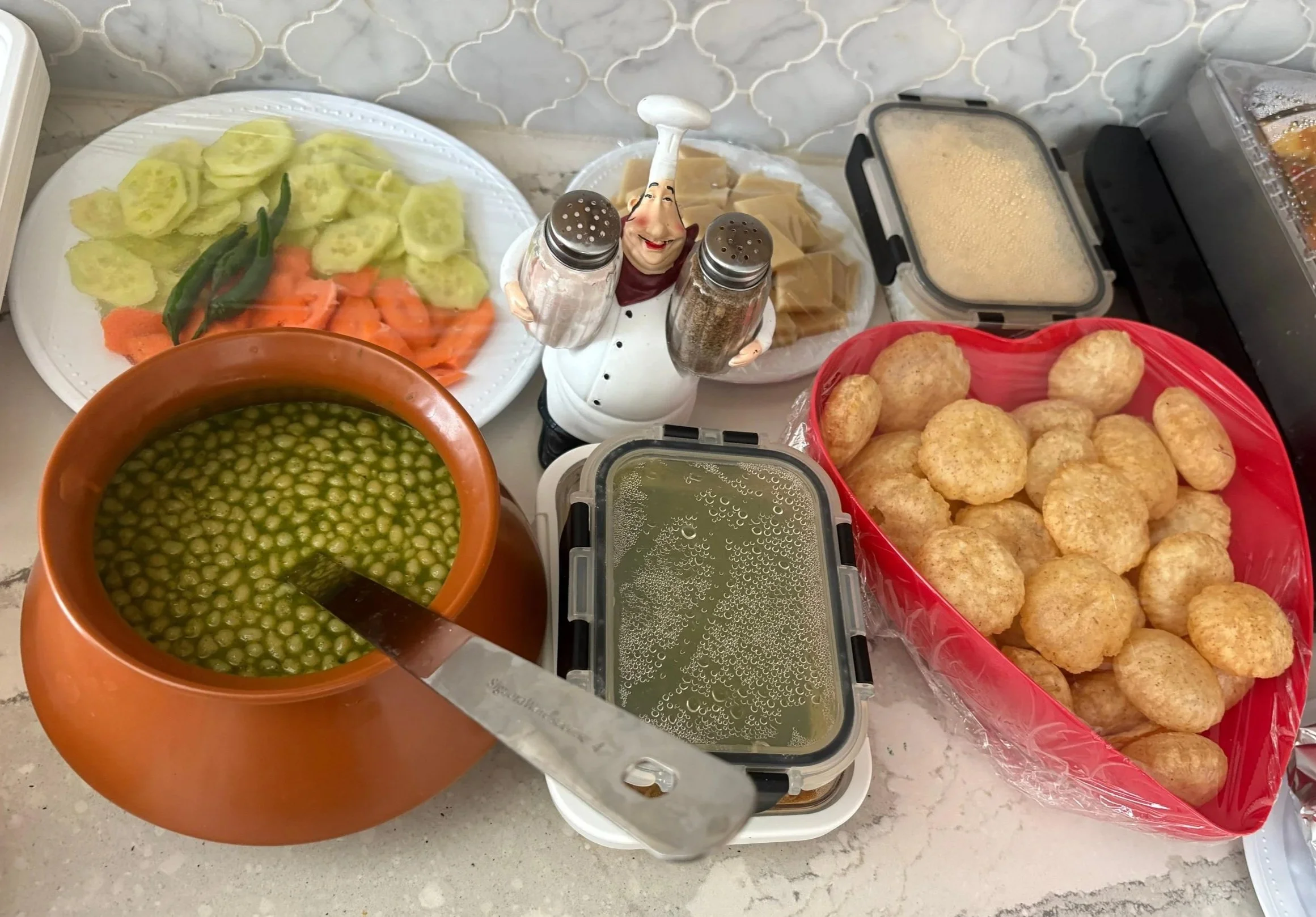
My Son came home from school last year and told me his class had done a project on family traditions. He had told them about Diwali and Holi and how his Nani makes mithai from scratch and how they do puja on special days. His teacher had asked if he could bring something to share.
He brought a small diya and a Ladoo from the box I had made. He explained both to his class with the confidence of someone who has never once been told that what he does at home is anything other than completely normal and wonderful.
I cried in the car on the way home. The good kind.
That moment is what I am working toward every day — a child who stands in both worlds without apology. Who is fully American in the way that he is growing up here, and fully Indian in the way that he knows where he comes from, and fully himself in the way that he has made something of his own from the two.
The Fear Underneath the Festivals
I will be honest about the fear that lives underneath all the Diwali lights and the Holi colors, and the matching ethnic outfits and the Hindi songs played in the car.
The fear is: what if it does not stick?
What if my children grow up and the culture, I worked so hard to pass down feels like obligation rather than identity? What if they are embarrassed by it at some point, the way children sometimes are by anything that marks them as different? What if the distance from India, the absence of the extended family and the language and the daily immersion, means that what I pass down is a faded version — the shape of a culture without the weight of it?
I think about this more than I admit.
What Culture Actually Is
I have come to believe that culture is not a collection of practices. It is a feeling of belonging to something.
The practices — the festivals, the food, the language, the rituals — are the vehicle. But what they carry is the feeling: you are part of something continuous, something larger than your individual life, something that was here before you and will be here after. That feeling is what I am actually trying to give my children. The practices are just how I get it to them.
Which means that every time I tell my daughter a story about my own childhood in India, that is culture. Every time I cook something that smells like my mother's kitchen and tell her what it is called and why we make it, that is culture. Every time I call my parents and let the children sit in on the conversation in a mix of Hindi and English that would horrify a linguist and delight everyone involved, that is culture.
It is not one big thing. It is a thousand small things, repeated.
"Culture is not a collection of practices. It is a feeling of belonging to something larger than yourself."
The Complicated Middle
My children are not Indian. Not in the way I am Indian — shaped by a childhood lived there, by the heat and the festivals in the air and the relatives who appeared without warning and the specific texture of growing up in a place where everyone looks like you.
They are also not simply American. They carry something that most of their classmates do not — a dual inheritance, a second language half-learned and still trying, a set of stories and flavors and ways of being that come from somewhere else.
They are something in the middle. Something new. And I have stopped trying to make them fully one thing or the other and started finding the middle place genuinely interesting.
My daughter code-switches in the middle of sentences. She says "haan" when she means yes and "achha" when she is surprised and "ugh Mom" in a register that is completely New Jersey. She is building her own language and I find it beautiful.
What I Do and Why
I cook Indian food most nights not because I am making a cultural statement but because it is what I know and love and it tastes like home. But I also tell the children what each dish is called and where it comes from and what we eat it at, so the food carries information and not just flavor.
I celebrate every festival, even the ones that are hard to celebrate without family nearby, because I want my children's bodies to have the memory of them. The feeling of Diwali evening, the energy of Holi morning — these things live in muscle memory. You cannot give them from a book.
I speak to my children in Hindi when I remember and in English when I forget and I have stopped being hard on myself about the ratio. Language is alive when it is useful and loved. I am keeping it alive in the ways I can.
I take them to India when I can, because nothing I do here replicates what three weeks in their grandparents' house does for their sense of who they are and where they come from. They come back different. Softer in some ways, more rooted, more sure.
What I Hope For
I hope that when my children are grown, India is not a foreign country to them. That it is a second home — complicated and loud and full of people who love them and opinions they did not ask for and food that nothing here quite matches.
I hope that their Indianness is not something they perform for others or explain away but something they simply are, comfortably, one layer of a person who contains more than one world.
And I hope that when they make chai someday — in whatever kitchen, in whatever city, on whatever continent life takes them to — they make it by feel, not measurement. With real ginger. Cracked cardamom. Slightly more sugar than is sensible.
And they know exactly where they learned it.
thecozydesimom.com | Culture & Chai